
Introduction
When Catholics talk about the seven deadly sins, Catholic teaching treats them like a spiritual x‑ray of the heart. They show not only what someone has done, but the deep patterns that keep pulling the soul away from God. Far from being an old list from medieval art, the seven deadly sins in Catholic thought name the main roots of vice that every person faces.
These sins are called capital sins. The word comes from the Latin caput, meaning “head,” because these vices give rise to many other sins (CCC 1866). The Church also teaches that not every sin has the same weight. Scripture itself makes this clear. Saint John writes about sin that is deadly and sin that is not deadly (1 John 5:16–17), and Jesus tells Pilate that the one who handed Him over has the “greater sin” (John 19:11). Catholic teaching on the seven deadly sins builds on this scriptural insight.
Over centuries, the list we know today grew through prayer and reflection. Desert monks first named the main temptations they faced. Later, great teachers such as Gregory the Great and Thomas Aquinas refined the list into the form Catholics know now. When we study the seven deadly sins in Catholic theology, we are stepping into a long conversation guided by the Holy Spirit.
As we walk through this article, we will look at how the list developed, what each sin really is, how they fit into a hierarchy, and how God gives the grace to fight them. The goal is not despair or scrupulosity. The goal is freedom, healing, and deeper union with God.
Key Takeaways
-
Catholic teaching on the seven deadly sins calls them capital sins because they are root vices that give birth to many other sins and habits. Knowing these roots helps someone understand why the same patterns keep showing up in life and confession.
-
The list Catholics use today—pride, envy, wrath, sloth, avarice, gluttony, and lust—grew over many centuries. Desert monks, popes, and Doctors of the Church all contributed, showing how Sacred Tradition works together with Scripture in the life of the Church.
-
There is a real order among these sins. Pride stands at the top as the “anti‑God” attitude, while lust is placed at the end because it still reaches, in a distorted way, toward another person created in God’s image. Every one of them, however, can be mortal.
-
Sloth, or acedia, is not simple laziness. It is a sadness and boredom toward spiritual good, a quiet refusal of the joy God wants to give. In contrast, the sacrament of Confession, the virtues, and the gifts of the Holy Spirit draw the soul back toward love.
-
At Crux Sancta, we see the seven deadly sins in Catholic teaching as part of a larger path: purgation, illumination, and union with God. By joining sound theology with practical guidance, we aim to help readers name these vices, resist them, and grow in holiness.
The Historical Development Of The Seven Deadly Sins

The seven deadly sins did not drop from the sky as a finished list. They grew out of real spiritual struggles. After Christianity was legalized in the fourth century, martyrdom became rare. Many believers then looked to the Desert Fathers and Mothers as new models of radical holiness. These men and women went into the wilderness to wrestle with temptation in a focused, honest way.
One of them, Evagrius Ponticus (fourth century), wrote a small work for monks called Praktikos. In it he described eight “wicked thoughts,” or logismoi, that most often attacked the mind and heart. He named:
-
gluttony
-
lust
-
avarice
-
sadness
-
anger
-
sloth (acedia)
-
vainglory
-
pride
For him, these were not yet a formal list of the seven deadly sins in Catholic teaching. They were the main thought‑patterns that, if welcomed, would spill into concrete sins.
Saint John Cassian later carried this teaching from the deserts of the East into the Latin‑speaking West. He translated and explained Evagrius’s list, calling these patterns principalia vitia, or “principal vices.” Western monks began using this framework for spiritual direction and examination of conscience. Already the Church was treating sin not just as scattered acts, but as habits and tendencies that needed healing.
In the sixth century, Pope Saint Gregory the Great took a further step in his work Moralia in Job. Seeing overlap between vainglory and pride, he combined them. He also added envy and drew a close tie between sadness and the spiritual heaviness of sloth. From his reflection came a list of seven principal vices that looks very close to the seven deadly sins Catholics know today.
Centuries later, Saint Thomas Aquinas gave the list firm theological footing, developing systematic approaches to moral theology that continue to influence Doctor of Philosophy programs in theology today. In the Summa Theologiae, he described these vices as “capital” because other sins flow from them as branches from a trunk. He treated sloth (acedia) as its own capital sin, rather than simply a form of sadness. Finally, in the sixteenth century, Saint Robert Bellarmine’s catechism clearly named pride as the head of the list. This long story shows that the seven deadly sins, in Catholic understanding, express a living tradition that grows from Scripture under the care of the Holy Spirit.
Understanding The Nature And Hierarchy Of Capital Sins
To grasp the seven deadly sins in Catholic theology, we first need to understand what capital means. The Latin word caput means “head.” A capital sin is a head‑vice, a basic pattern of love turned inward that gives rise to many other sins. Pride, for example, can lead to lying, cruelty, or contempt, just as a poisoned spring can spread sickness downstream.
Catholic teaching also makes a firm distinction between mortal and venial sin. Saint John speaks about sin that is deadly and sin that is not deadly (1 John 5:16–17). A sin is mortal when three things come together:
-
The matter is grave.
-
The person knows it is seriously wrong.
-
The person still freely chooses it.
The capital sins usually involve grave matter. When a person gives full consent to them with clear knowledge, they cut the soul off from God’s life.
Within this group, the tradition sees an order of seriousness. One helpful way to remember it is by the letters PEWSAGL: pride, envy, wrath, sloth, avarice, gluttony, lust. The ranking follows how directly each sin opposes love, or caritas. Pride is the coldest and most self‑focused. Envy and wrath strike at the good of other people. Sins of appetite, such as gluttony and lust, twist good bodily desires. Lust is last, not because it is safe, but because it still reaches, in a broken way, toward another person.
Even the “least” of the seven deadly sins in Catholic teaching is serious and can be mortal. Yet the Church speaks about them within a larger path of growth. Spiritual writers often describe three stages:
-
Purgation: the soul cooperates with grace to uproot serious sin, especially the capital sins.
-
Illumination: the mind and heart are filled with God’s light and truth.
-
Union: the person lives in steady friendship with God and reflects His love in daily life.
Saint Athanasius summed up this hope in a famous line:
“For the Son of God became man so that we might become God.”— Saint Athanasius, On The Incarnation
By grace, human beings are invited to share in God’s own life and to be healed of the vices that drag them down.
Pride: The Root And Queen Of All Sin

Pride, or superbia, stands at the head of the seven deadly sins in Catholic thought. The word itself suggests “rising above.” Pride is an exaggerated love of one’s own excellence and a refusal to depend on God. Scripture warns:
“Pride goes before destruction, and a haughty spirit before a fall.”— Proverbs 16:18
C. S. Lewis called pride the “anti‑God” attitude because it puts the self at the center of everything.
“Pride leads to every other vice: it is the complete anti‑God state of mind.”— C. S. Lewis, Mere Christianity
Saint Thomas Aquinas describes several ways pride can show itself. It appears when someone:
-
Claims gifts or strengths he does not actually have.
-
Has real gifts but thinks they came only from personal effort, not from God’s grace.
-
Believes that God somehow owed him those gifts because he deserved them.
-
Knows he has received gifts from God but hoards them, refusing to share their fruits with others.
This is why pride is the most deadly of the seven deadly sins in Catholic teaching. It freezes love. The proud heart sees both God and neighbor as threats to its control, not as persons to receive and to serve. Pride gives rise to many “daughter” sins such as boasting, stubborn quarrels, hypocrisy, and disobedience. The fitting antidote is humility: not self‑hatred, but honest truth about who we are before God. The humble person can receive everything as a gift and can bend low to wash the feet of others, just as Christ did.
Sins Against Love Of Neighbor: Envy, Wrath, And Sloth

The next three capital sins strike directly at the command to love one’s neighbor as oneself. While pride closes a person in on the self, envy, wrath, and sloth twist the way someone sees and responds to other people and to God. Understanding these three helps clarify why relationships can feel strained, cold, or explosive.
Envy: Sadness At Another's Good
Envy comes from the Latin invidia, which suggests looking in a sour way at another person’s good. In plain terms, envy is sadness over the success, gifts, or happiness of someone else, often mixed with the wish that they would lose those goods. Instead of rejoicing in another’s blessing, the envious heart folds in on itself. It silently asks why God allowed that good to land there and not here.
The Catechism echoes the Book of Wisdom when it warns that “through the devil’s envy death entered the world” (Wisdom 2:24; CCC 2538–2539). That line shows how serious envy can be. In practice, envy often hides under:
-
Constant comparison with other people
-
Quiet resentment when others are praised
-
Backhanded comments that undercut someone’s success
Envy gives rise to sins such as hatred, gossip, tearing down someone’s reputation, or feeling pleasure when another person fails. The remedy is gratitude for one’s own gifts and a deep trust that God’s providence is wise and kind.
Wrath: Disordered Anger And Desire For Revenge
Wrath, or ira, is not just anger. There is such a thing as righteous anger at real injustice. Jesus himself shows firm anger in the temple. Wrath becomes a capital sin when anger turns wild and seeks personal revenge, or when someone holds on to anger in a way that poisons the heart. Jesus warns that anger can bring a person under judgment even before any violent act takes place (Matthew 5:22).
Among the seven deadly sins in Catholic teaching, wrath has an interesting place. It is dangerous, yet it also shows that the heart still cares. The furious person has been hurt or perceives a wrong, and that pain leaks out in harsh words, insults, or even physical harm. Wrath can lead to:
-
Shouting and constant arguing
-
Cold silence and resentment
-
Deep grudges and, at its extreme, serious violence
The path out of wrath runs through patience, forgiveness, and learning to hand over one’s anger to God rather than to feed it.
Sloth: The Noonday Devil Of Spiritual Apathy
Sloth is often pictured as laziness, but acedia is much deeper than a taste for the couch. The word means “without care.” In spiritual terms, sloth is a heavy sadness or boredom toward the things of God. The Desert Fathers called it the “noonday devil” (echoing Psalm 91:6) because it tended to strike in the middle of the day, when the sun is bright but the heart feels dull.
In modern life, sloth often hides under constant activity, a concern increasingly addressed in MH LIT: Student MentalHealth in Action and similar initiatives that recognize the spiritual dimensions of mental wellness. A person can be busy from morning to night and still be deeply slothful, because there is no time or desire left for prayer, worship, or quiet attention to God. Aquinas calls sloth “sorrow about spiritual good” and an aimless tendency to wander away from it. The Catechism says that acedia can even refuse the joy that comes from God and feel pushed away by His goodness (CCC 2094). Christ warns against this lukewarm state in Revelation 3:16. The remedy includes:
-
Regular daily prayer, even when it feels dry
-
Sunday Mass and the sacraments
-
Simple acts of faith and charity when feelings are flat
These small, steady choices help reopen the heart to God’s joy.
Sins Of Disordered Appetite: Avarice, Gluttony, And Lust
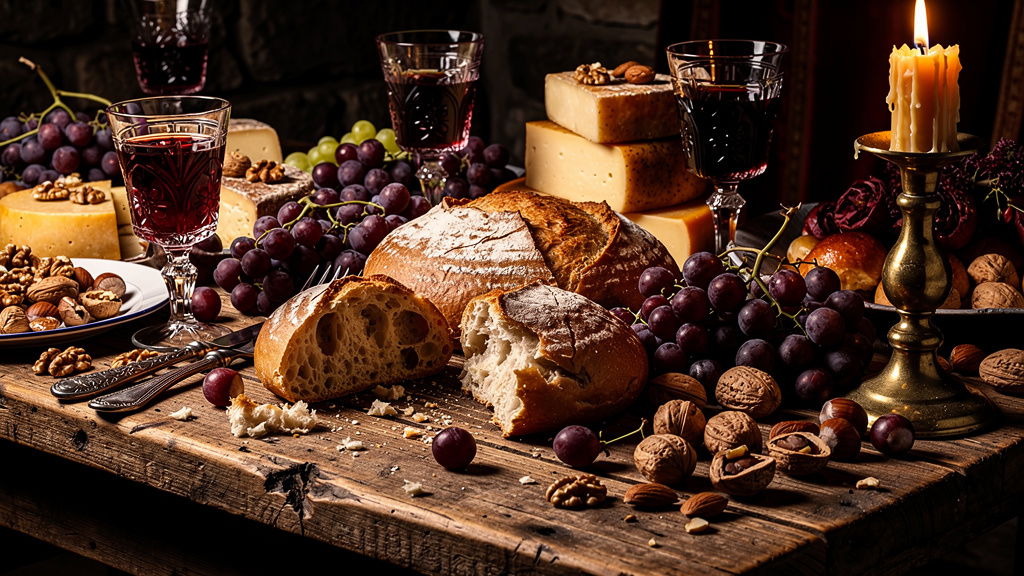
The final three capital sins twist good human desires for security, nourishment, and intimacy. Avarice, gluttony, and lustfocus the heart too tightly on created goods. Instead of receiving these gifts with gratitude and limits, a person begins to cling to them as if they were the highest good.
Avarice: The Excessive Love Of Wealth
Avarice, or greed, is an excessive love for money and possessions. It is not wrong to work, save, or plan for the future. Avarice sets in when material goods occupy the center of the heart. The Catechism defines sin as a failure in real love for God and neighbor caused by a twisted attachment to certain goods (CCC 1849). That description fits avarice well.
In the seven deadly sins as Catholics describe them, avarice leads to many harmful acts. To gain or keep wealth, a person may:
-
Lie, cheat, or manipulate others
-
Exploit workers or ignore just wages
-
Close the heart to the poor and to generosity
The remedy is trust in God’s care, simple living, and concrete almsgiving. By giving away part of one’s goods, the heart learns that money is a tool, not a master.
Gluttony: The Disordered Love Of Food And Drink
Gluttony, gula in Latin, is a disordered love of eating and drinking. It is more than the occasional feast or holiday dessert. In the Catholic tradition, gluttony shows up in several ways. Someone may:
-
Eat far too much
-
Eat far too fast, without any self‑control
-
Demand food that is overly rich or costly
-
Insist on eating at strange times just to satisfy a craving
-
Become fussy and overly picky, turning meals into constant self‑centered drama
In all these forms, the person gives food or drink a weight it does not deserve. Thoughts revolve around the next treat, the perfect meal, or the comfort of one more drink. Gluttony weakens the virtue of temperance, which helps us avoid excess in any pleasure (CCC 2290). Growth in temperance makes it possible to enjoy food as a gift, to fast when needed, and to remember the hungry.
Lust: The Disordered Desire For Sexual Pleasure
Lust, or luxuria, is the disordered desire for sexual pleasure apart from its true purposes in God’s plan. The Catholic Church teaches that sexual intimacy is meant for faithful, permanent marriage and must be open to life. Lust tears this apart. It seeks pleasure while setting aside real self‑giving love and the gift of children. Other people become objects rather than persons.
Within the seven deadly sins in Catholic teaching, lust is often called the least among them. That does not mean it is harmless. Mortal sins of lust can still separate a soul from God’s grace. The point is that lust, unlike pride, still reaches out toward another person, even if in a distorted way. We are created for communion, so it is easy to see why this sin feels strong.
Overcoming lust calls for self‑mastery, custody of the senses, and deep reliance on God’s mercy. The daughter sins tied to lust include blindness of mind, constant instability in commitments, and a self‑love that uses others. Growth in chastity—the virtue that orders sexual desire toward real love—helps heal this pattern over time.
How Crux Sancta Helps You Overcome The Capital Sins
At Crux Sancta, we approach the seven deadly sins in Catholic teaching with both a scholar’s mind and a pastor’s heart. Many believers sense that these vices are present in their lives but are not sure how to name them, understand them, or fight them without falling into fear. Our work exists to serve that need.
We draw on Catholic theology and doctrine to explain what sin is and how the capital sins fit into the wider moral life of the Church. Sacred Scripture and Sacred Tradition stand at the center of our work, and we often engage the insights of Saint Thomas Aquinas and other classic thinkers. This lets us show how faith and reason support each other when we speak about vice and virtue.
At the same time, we care deeply about daily discipleship. Our articles, guides, and studies connect the seven deadly sins in Catholic thought with patterns people face at home, at work, and in parish life. We invite readers to move from theory to practice: to examine conscience, to grow in virtue, and to seek the sacraments. Through all of this, we aim to be clear, faithful, and welcoming.
The Path To Holiness: Overcoming The Seven Deadly Sins
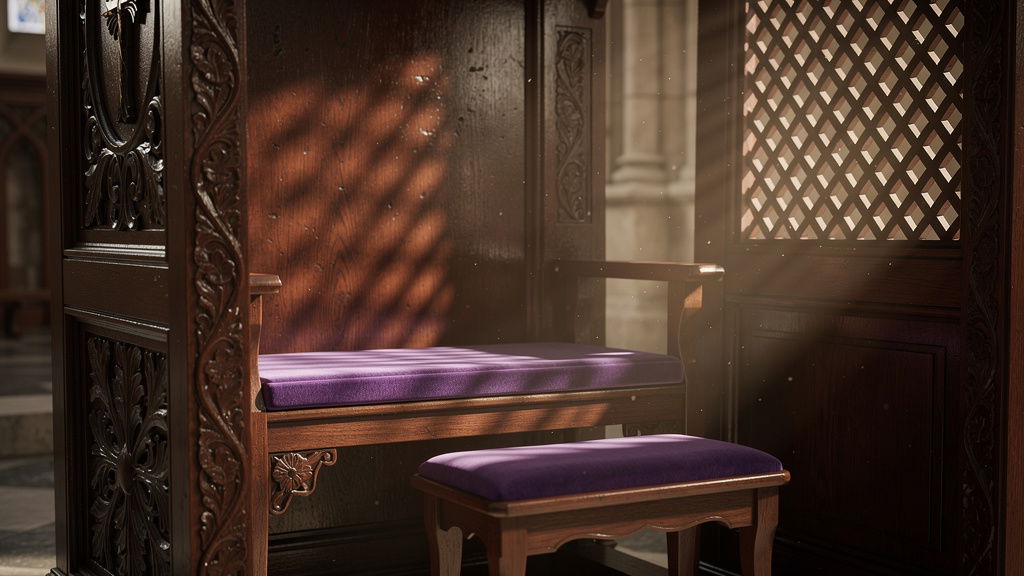
Learning about the seven deadly sins in Catholic teaching is not meant to crush the heart. It is meant to give language to real struggles and to point toward a path of healing. When someone can name pride, envy, or lust at work in the heart, that recognition becomes a doorway to grace rather than a wall of shame.
Spiritual writers often speak of three broad stages:
-
In purgation, with God’s help, a person begins to uproot serious sin. This is where the capital sins must be faced honestly.
-
In illumination, the Holy Spirit fills the mind and heart with a deeper love for prayer, Scripture, and virtue.
-
In union, the soul acts more and more in harmony with God’s will, in a steady friendship with Him.
The sacrament of Confession stands at the center of this path. Capital sins are not removed by vague regret or by good works alone. They are grave ruptures that call for sacramental grace. In Confession, Christ Himself speaks the words of absolution through the priest, restoring the life of grace to the soul and strengthening it against future falls.
“The confession of evil works is the first beginning of good works.”— Saint Augustine, Sermon 19
The saints also teach that each capital sin has an opposing virtue:
-
Humility counters pride
-
Kindness softens envy
-
Patience cools wrath
-
Diligence resists sloth
-
Generosity loosens avarice
-
Temperance steadies gluttony
-
Chastity orders sexual desire
The seven gifts of the Holy Spirit support this growth by making the soul more responsive to God. Regular examination of conscience, honest prayer, and steady reception of the Eucharist help a person reflect Christ’s life more and more in the world.
Conclusion
The seven deadly sins in Catholic teaching—pride, envy, wrath, sloth, avarice, gluttony, and lust—are more than an old list of misbehaviors. They are deep patterns of disordered love that stand at the head of many other sins. By naming them, the Church gives us a kind of map of the heart, showing where the main dangers lie.
This teaching rests on both Scripture and Tradition. The Bible itself speaks of sins that are more serious than others and gives many lists of vices and virtues. Over time, guided by the Holy Spirit, monks, popes, and theologians brought these threads together into the framework we now use. Pride appears as the root of all sin, while humility stands as the foundation for every other virtue.
Yet the story does not end with diagnosis. Through the sacraments, especially Confession and the Eucharist, and through the steady practice of virtue, no capital sin needs to rule a life. God’s grace is stronger than any vice. The call is clear: examine the heart, bring its shadows into God’s light, and trust His mercy. The Christian path moves from death to life, from vice to virtue, from self to the living God.
FAQs
Question 1: Are The Seven Deadly Sins Mentioned Explicitly In The Bible?
The Bible does not present a single list that uses the exact phrase “seven deadly sins.” Still, the idea of the seven deadly sins in Catholic teaching comes from many scriptural threads. Proverbs 6:16–19, for example, lists seven things the Lord hates, including haughty eyes and lying. Saint Paul offers several vice lists in his letters. The clear distinction between deadly and non‑deadly sin in 1 John 5:16–17 also shaped the Church’s reflection.
Question 2: Is Committing One Of The Seven Deadly Sins An Automatic Ticket To Hell?
The seven deadly sins in Catholic theology are grave matters, but a sin is mortal only when three conditions come together. The act must involve serious matter, the person must know it is wrong, and still give full consent. When that happens and someone refuses to repent, the soul turns away from God’s life and risks eternal loss. God, however, is rich in mercy. Through sincere repentance and sacramental Confession, grace is restored and the soul can begin again.
Question 3: What Is The Difference Between Venial And Mortal Sin?
Venial sin is a lesser offense that harms a person’s friendship with God but does not break it completely. Mortal sin is a grave offense that destroys charity in the heart by a serious, deliberate choice against God. For mortal sin, the matter must be grave, the person must know this, and still freely choose it. The seven deadly sins in Catholic teaching fall into the mortal category when these conditions are present. The Catechism explains this in detail in paragraphs 1855–1861.
Question 4: How Do I Know Which Sin I Struggle With The Most?
A helpful way to spot one’s main fault is regular examination of conscience in God’s presence. It can help to ask the Holy Spirit for light and then look at repeated patterns: the sins that return most often, the thoughts that dominate, or the excuses that feel familiar. Many people also find guidance from a priest or wise Catholic mentor. Once the main capital sin is clearer, it becomes easier to ask for targeted grace and to practice the opposite virtue.
Question 5: Can I Overcome These Sins On My Own, Or Do I Need God's Grace?
On our own, we cannot uproot the seven deadly sins in Catholic life. Human willpower has limits, especially when habits run deep. God’s grace is not just helpful; it is necessary. The sacraments, especially Confession and the Eucharist, give real strength to resist sin. Daily prayer, Scripture reading, and acts of virtue cooperate with that grace. As Saint Paul writes, “I can do all things through Christ who strengthens me” (Philippians 4:13).